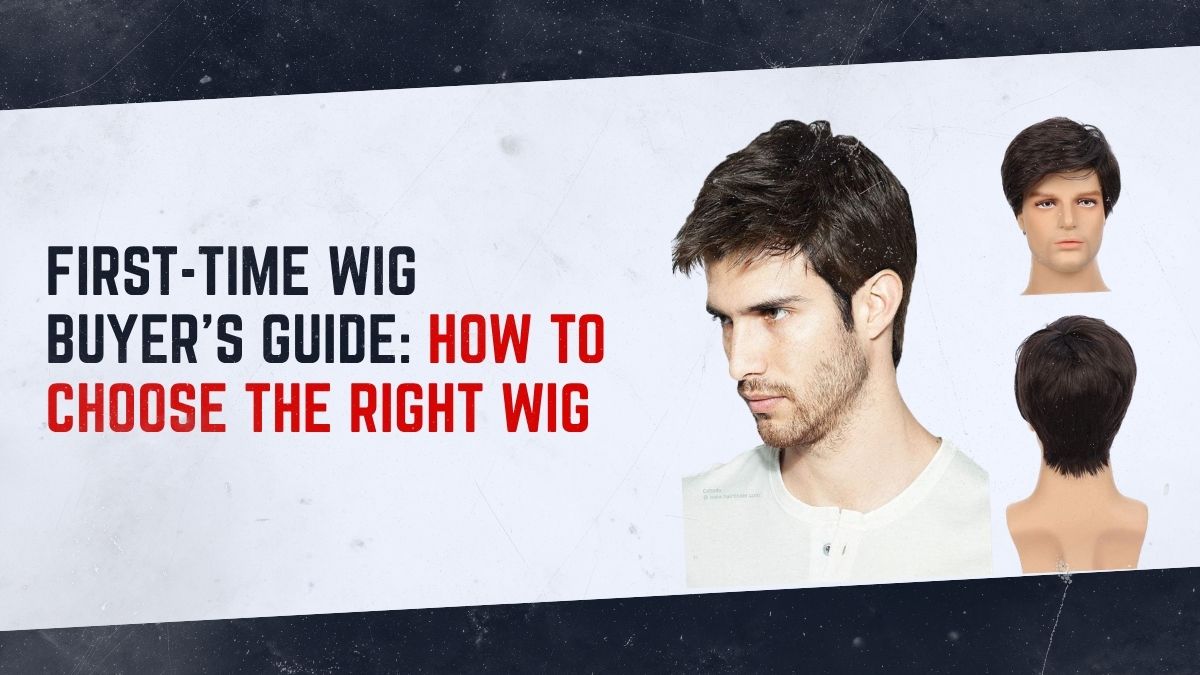
Buying a wig for the first time can feel overwhelming. With so many choices—human hair wigs, synthetic wigs, lace-front wigs, hair toppers, full wigs, custom wigs, and non-surgical hair replacement systems—it is easy to focus only on appearance and overlook important factors such as fit, comfort, hair density, maintenance, and lifestyle.
The right wig should do more than cover hair loss. It should complement your face, blend naturally with your appearance, feel comfortable on the scalp, and suit the way you live and style your hair.
Wigs can provide an immediate cosmetic way to conceal visible hair loss, but they do not treat the underlying cause of hair loss. The American Academy of Dermatology (AAD) notes that wigs and hairpieces can provide immediate results and may help improve self-esteem, while identifying the cause of hair loss remains important when treatment is needed.
If you are buying your first wig, this guide will help you understand what type of wig to choose, how to select the right size, human hair vs synthetic wigs, how to make a wig look natural, and how to care for it properly.
What Is a Wig?
A wig is a hair replacement product designed to cover some or all of the scalp using attached strands of human hair or synthetic fibers.
Depending on your level and pattern of hair loss, you may choose:
- Full hair wig
- Hair topper
- Hair patch
- Hairpiece
- Lace-front wig
- Full-lace wig
- Monofilament wig
- Hand-tied wig
- Custom hair system
- Non-surgical hair replacement system
A full wig covers the entire scalp, while a hair topper or hair patch is generally designed to add coverage or volume to a specific area.
The American Academy of Dermatology recognizes wigs, hairpieces, and custom-made scalp prostheses as options for concealing hair loss.
How Do I Choose the Right Wig for the First Time?
The best wig depends on your hair-loss pattern, desired appearance, lifestyle, budget, comfort requirements, and maintenance preferences.
Before purchasing, consider these 10 important factors.
1. Understand Why You Need a Wig
Your reason for buying a wig should influence the type you choose.
People may consider wigs because of:
- Hair thinning
- Receding hairline
- Pattern hair loss
- Crown thinning
- Alopecia
- Medical treatment-related hair loss
- Temporary hair loss
- Extensive hair loss
- Cosmetic preferences
- Desire for a different hairstyle
Hair loss has many possible causes, and the pattern can vary considerably. Gradual thinning, a widening part, receding hairline, and bald patches are among the signs people may notice.
If your hair loss is sudden, rapidly progressing, painful, inflamed, or unexplained, consider consulting a dermatologist to identify the underlying cause before relying solely on cosmetic coverage.
2. Decide Between a Full Wig and a Hair Topper
You do not necessarily need a full wig if you only have localized thinning.
Full Wig
A full wig covers the entire scalp and may be suitable for extensive hair loss or for someone who wants a complete hairstyle change.
Hair Topper
A hair topper adds coverage and volume primarily to areas of thinning on the top of the scalp.
Hair Patch
A hair patch is generally designed to cover a specific area of hair loss and can be customized to blend with surrounding hair.
Hair System
A customized hair system can provide a more personalized non-surgical hair replacement solution based on the individual's hair loss, hairline, density, and desired hairstyle.
Choosing the correct coverage can make the final result look more natural and prevent you from purchasing a larger system than you actually need.
3. Human Hair vs Synthetic Wig: Which Is Better?
This is one of the most important decisions for a first-time wig buyer.
There is no universally "best" material. The right choice depends on your budget, styling requirements, maintenance preferences, and how frequently you plan to wear the wig.
1. Human Hair Wig
Human hair wigs are made using real human hair.
Advantages:
- Natural movement and appearance
- Can generally be restyled
- Can be customized more extensively
- Can provide a highly natural finish
- Suitable for people who want styling flexibility
Considerations:
- Usually more expensive
- Requires more maintenance
- Can be affected by humidity and environmental conditions
- Needs appropriate hair-care products
Human hair wigs generally provide greater styling flexibility but require more care than synthetic options.
2. Synthetic Wig
Synthetic wigs are made from artificial fibers such as acrylic, polyester, or blends.
Advantages:
- Generally more affordable
- Easier to maintain
- Available in many colors and styles
- Often retains its designed shape
Considerations:
- Styling flexibility can be more limited
- Standard synthetic fibers may be damaged by heat
- The texture and movement may differ from natural hair
The American Cancer Society notes that synthetic wigs typically require less maintenance and cost less than human hair wigs, while human hair wigs offer greater versatility in styling.
Quick Comparison
| Feature | Human Hair Wig | Synthetic Wig |
|---|---|---|
| Appearance | Very natural | Can look natural depending on quality |
| Styling | High flexibility | More limited |
| Maintenance | Higher | Lower |
| Cost | Usually higher | Usually lower |
| Heat styling | Generally possible with care | Depends on fiber |
| Longevity | Often longer with proper care | Depends on fiber and use |
4. Choose the Right Wig Cap Construction
The wig cap is the base onto which the hair is attached. Its construction affects appearance, comfort, breathability, and styling flexibility.
Some common constructions include:
Lace-Front Wig
A lace-front wig has a sheer lace section at the front hairline designed to create the appearance of a more natural hairline.
Full-Lace Wig
A full-lace construction provides greater styling flexibility because the lace extends across the scalp area.
Monofilament Wig
A monofilament construction uses a fine mesh-like material that can create the appearance of hair emerging from the scalp.
Hand-Tied Wig
Individual strands are attached manually to the base, which can provide natural movement and a lightweight feel.
The American Cancer Society describes lace-front, full-lace, monofilament, and hand-tied constructions as common wig options.
For a first-time buyer, do not choose a cap type simply because it sounds premium. Consider where you need coverage, how you want to style the hair, how often you will wear it, and what level of comfort you need.
5. Get the Correct Wig Size
A beautiful wig will not look or feel right if the fit is incorrect.
A wig that is too loose may shift during the day, while one that is too tight may feel uncomfortable.
Common measurements include:
- Head circumference
- Front-to-back measurement
- Ear-to-ear measurement
Many wigs also have adjustable tabs that allow you to modify the fit. The American Cancer Society recommends measuring the head and checking the manufacturer's size chart because sizing can vary between brands.
Tip for First-Time Wig Buyers
If possible, have your measurements taken professionally before ordering a customized wig or hair replacement system.
6. Select a Natural-Looking Hairline
The hairline is one of the most noticeable parts of a wig.
A poorly designed or incorrectly positioned hairline can make an otherwise good-quality wig look artificial.
For a natural appearance, consider:
- Hairline shape
- Hair density
- Hair direction
- Hair color
- Hair texture
- Existing natural hair
- Face shape
- Age-appropriate density
A natural hairline does not necessarily mean an extremely dense or perfectly straight hairline. Subtle irregularity and appropriate density can contribute to a more realistic appearance.
Lace-front and other customized constructions can help create the appearance of a natural hairline.
7. Choose Hair Density Carefully
More hair does not automatically mean a better wig.
If the wig is significantly denser than your natural hair, it may appear less realistic.
Your ideal hair density depends on:
- Age
- Existing hair
- Hair-loss pattern
- Hairstyle
- Face shape
- Desired appearance
- Personal preference
For someone experiencing gradual thinning, a moderate density may blend more naturally than an excessively thick wig.
This is particularly important when choosing a hair patch, hair topper, or non-surgical hair replacement system, because the replacement hair needs to transition naturally into the surrounding hair.
8. Pick a Color That Matches Your Appearance
Choosing the right hair color involves more than looking at a product photograph.
Lighting can change how a color appears.
If you want to match your existing hair:
- Compare color in natural daylight.
- Consider your current hair color.
- Look at the undertones of your hair.
- Consider whether you want highlights or lowlights.
- Compare color swatches where possible.
The American Cancer Society recommends comparing hair and wig colors in natural light when trying to achieve a close match.
If you are buying a wig for a completely new look, you have more flexibility, but the selected color should still complement your skin tone and overall appearance.
9. Think About Your Lifestyle Before Buying
Your daily routine should influence your wig choice.
Ask yourself:
- Will I wear it every day?
- Do I exercise regularly?
- Do I spend significant time outdoors?
- Do I need frequent styling?
- Do I travel often?
- Do I prefer low-maintenance hair?
- Do I need a lightweight wig?
- Do I want to change hairstyles frequently?
For example, someone looking for an easy everyday option may prioritize lightweight construction and low maintenance, while someone who frequently changes hairstyles may prefer a human hair wig with greater styling flexibility.
The best wig is the one that fits into your lifestyle rather than creating additional inconvenience.
10. Consider Comfort and Scalp Sensitivity
Comfort becomes particularly important if you plan to wear a wig for several hours a day.
Look for:
- Appropriate sizing
- Lightweight construction
- Breathable materials
- Comfortable cap design
- Suitable attachment methods
- Soft liners where appropriate
People experiencing medical hair loss may also have increased scalp sensitivity. The American Cancer Society notes that wig liners can provide additional comfort for people with sensitive scalps.
If you experience persistent itching, redness, pain, or irritation while wearing a wig, stop using the irritating product or attachment method and seek appropriate professional advice.
What Makes a Wig Look Natural?
Several factors work together to create a natural-looking wig.
The most important include:
Natural Hairline
The front should transition naturally with your face and existing hair.
Appropriate Density
The hair should not look unnecessarily thick compared with your natural appearance.
Correct Color
A close match or intentionally selected complementary shade improves overall realism.
Suitable Texture
Straight, wavy, curly, or textured hair should match your desired appearance.
Correct Fit
A properly fitted wig should sit securely without appearing oversized or compressed.
Professional Cutting and Styling
Even a high-quality wig can look unnatural if it has not been properly shaped for the wearer.
Should You Choose a Custom Wig or Ready-Made Wig?
Both can be useful, but they serve different needs.
Ready-Made Wig
A ready-made wig is manufactured in standard sizes and styles.
It can be a practical option if:
-
You need a wig quickly.
-
Your requirements are relatively simple.
-
You want a more budget-friendly option.
-
You want to experiment with different hairstyles.
Custom Wig
A custom wig is designed according to individual requirements.
Customization may include:
- Hair color
- Hair density
- Hair length
- Hair texture
- Hairline
- Base construction
- Size
- Hairstyle
A custom wig can be particularly useful when natural appearance and personalized fit are priorities. The AAD notes that custom-made wigs and scalp prostheses are available for people seeking cosmetic coverage of hair loss.
Hair Wig vs Hair Patch: Which One Should You Choose?
The answer depends mainly on the extent and location of hair loss.
| Concern | Hair Patch | Full Wig |
|---|---|---|
| Localized bald area | Suitable | May provide unnecessary coverage |
| Crown thinning | Often suitable | Can also be used |
| Extensive hair loss | May not provide enough coverage | Often more suitable |
| Existing hair | Blends with surrounding hair | Covers the scalp |
| Styling | Depends on attachment and design | Depends on construction |
| Customization | Can be highly customized | Can also be customized |
For localized thinning, a hair patch or topper may be more appropriate. For extensive hair loss, a full wig may provide better coverage.
A professional consultation can help determine which option is appropriate for your situation.
How to Make Your Wig Look More Natural
Even a quality wig needs proper fitting and styling.
Try these practical tips:
- Choose the correct size.
- Avoid excessive hair density.
- Match the color carefully.
- Position the hairline correctly.
- Have the wig professionally trimmed if necessary.
- Avoid overly perfect styling.
- Select a cap construction appropriate for your needs.
- Keep the wig clean and well maintained.
- Use products specifically designed for the wig material.
The American Cancer Society also recommends professional trimming when needed and using products suitable for the specific wig type.
How to Care for a Hair Wig
Proper hair wig maintenance can help preserve the appearance and condition of your wig.
For Regular Care
- Handle the hair gently.
- Use wig-specific products where recommended.
- Avoid unnecessary heat.
- Store the wig properly when not in use.
- Brush or detangle according to the manufacturer's instructions.
- Follow the cleaning instructions provided by the manufacturer.
For synthetic wigs, avoid heat unless the product is specifically designed to withstand it. Human hair wigs can generally tolerate styling more like natural hair, but excessive heat can still cause damage.
The American Cancer Society recommends using products formulated for wigs and avoiding hair dryers or curling irons unless the wig is designed to tolerate heat.
Common Mistakes First-Time Wig Buyers Should Avoid
Buying your first wig becomes easier when you know what mistakes to avoid.
Mistake 1: Choosing Only by Price
The cheapest wig may not provide the fit, appearance, durability, or comfort you need.
Mistake 2: Ignoring Wig Size
An incorrect size can affect both comfort and appearance.
Mistake 3: Choosing Excessive Hair Density
Very thick hair can sometimes make a wig look less natural.
Mistake 4: Buying Without Considering Lifestyle
A high-maintenance wig may not be practical for someone who wants an everyday, low-maintenance solution.
Mistake 5: Ignoring the Wig Cap
The cap construction affects comfort, breathability, styling, and the appearance of the scalp.
Mistake 6: Not Checking the Return Policy
Before purchasing, check whether the seller accepts returns or exchanges. Policies can differ significantly between retailers.
Mistake 7: Treating a Wig as a Hair-Loss Treatment
A wig can conceal hair loss, but it does not address its underlying cause. If hair loss is unexplained, medical evaluation may be appropriate.
How Much Should You Spend on Your First Wig?
There is no single correct price for a wig.
The cost can vary according to:
- Human hair or synthetic fiber
- Hair quality
- Wig length
- Density
- Cap construction
- Customization
- Brand
- Manufacturing method
- Styling requirements
Instead of asking only "What is the cheapest wig?", consider:
"Which wig provides the right combination of natural appearance, comfort, durability, maintenance, and fit for my needs?"
For someone who wears a wig occasionally, a simpler option may be sufficient. Someone wearing a wig every day may benefit from investing in a higher-quality or customized system.
Can Medical Wig Be Used for Hair Loss?
Yes. Medical wigs are commonly used as cosmetic options for people experiencing hair loss.
They may help cover:
- Pattern hair loss
- Alopecia
- Thinning hair
- Receding hairlines
- Bald patches
- Medical treatment-related hair loss
- Extensive scalp hair loss
The AAD specifically lists wigs, hairpieces, and scalp prostheses among options for concealing hair loss.
However, a wig does not stop hair loss or cause new hair growth. If your objective is to treat hair loss, the underlying cause needs to be evaluated separately.
Is a Human Hair Wig Better Than a Synthetic Wig?
Not necessarily.
A human hair wig may be preferable if you want natural movement and greater styling flexibility.
A synthetic wig may be preferable if you want easier maintenance, lower cost, and a style that generally requires less daily styling.
Your choice should depend on your priorities rather than assuming that one material is automatically better.
Frequently Asked Questions About Buying a Wig
What should I look for when buying my first wig?
Focus on wig size, cap construction, hair material, hair density, color, hairline, comfort, maintenance, lifestyle, and return policy. These factors usually matter more than choosing a wig based solely on appearance.
What type of wig looks most natural?
A wig with an appropriate hairline, realistic density, suitable color and texture, correct fit, and quality construction can look natural. Human hair, lace-front, monofilament, and hand-tied options can all provide natural-looking results depending on quality and fitting.
Is human hair better than synthetic hair?
Human hair offers greater styling flexibility and natural movement, while synthetic hair is generally easier to maintain and more affordable. Neither is automatically best for everyone.
How do I know what wig size I need?
Measure your head according to the manufacturer's instructions, typically including circumference and other dimensions such as front-to-back and ear-to-ear measurements. Always compare your measurements with the specific brand's size chart.
Can I wear a wig every day?
Many people wear wigs regularly, but comfort depends on the fit, cap construction, attachment method, scalp condition, and individual tolerance. A properly fitted and maintained wig is generally more comfortable for regular use.
How long does a wig last?
There is no universal lifespan. It depends on the wig material, quality, frequency of use, styling, cleaning, storage, and maintenance.
Can I style a human hair wig?
Yes. Human hair wigs generally offer more styling flexibility than standard synthetic wigs. However, excessive heat and chemical processing can damage the hair, so professional or manufacturer-recommended care is advisable.
Can synthetic wigs be heat styled?
Only if the specific synthetic fiber is designed to tolerate heat. Standard synthetic fibers can be damaged by heat tools. Always follow the manufacturer's instructions.
Should I buy a wig online or from a professional?
Both options are possible. Online purchasing can provide more choices, while professional consultation can be useful when you need accurate sizing, customization, hair-loss coverage, or help selecting a suitable hair system.
Can a wig help with confidence after hair loss?
Yes. For some people, wigs provide immediate cosmetic coverage and can help them feel more comfortable with their appearance. The AAD notes that wigs and concealers can provide immediate results and may boost self-esteem.
Final Checklist Before Buying Your First Wig
Before placing your order, ask yourself:
- Do I need a full wig, hair topper, or hair patch?
- Have I measured my head correctly?
- Do I prefer human hair or synthetic hair?
- What cap construction suits my lifestyle?
- Is the hair density realistic for my appearance?
- Does the color match or complement my natural appearance?
- Will I wear the wig occasionally or every day?
- How much maintenance am I comfortable with?
- Does the wig provide the level of comfort I need?
- Is customization important to me?
- What is the seller's return or exchange policy?
- If I have unexplained hair loss, have I considered getting the cause evaluated?
Final Thoughts
Buying your first wig does not have to be complicated. The key is to look beyond the hairstyle and evaluate the fit, material, cap construction, hair density, color, hairline, comfort, maintenance, and your lifestyle.
If you have localized thinning, a hair patch or hair topper may provide the coverage you need. If you have more extensive hair loss, a full wig or customized non-surgical hair replacement system may be more appropriate.
For many first-time buyers, the most important goal is a solution that feels comfortable and looks natural rather than simply choosing the most expensive option.
And remember: a wig is a cosmetic hair replacement solution, not a treatment for the underlying cause of hair loss. If you are experiencing sudden or unexplained hair loss, consider professional evaluation so that the cause can be identified and appropriate treatment options can be discussed.
Quick Answer: How Do I Choose the Right Wig?
Choose a wig based on your hair-loss pattern, required coverage, head size, hair material, cap construction, hair density, color, lifestyle, comfort, and maintenance needs. Human hair wigs offer greater styling flexibility, while synthetic wigs are generally easier to maintain and more affordable. For localized thinning, a hair patch or topper may be suitable, while extensive hair loss may require a full wig or customized hair replacement system.